REWIND
Where to buy DRM-free music you can keep and play anywhere
DRM-free music is audio you buy as a plain file, such as MP3, AAC, ALAC or FLAC, with no encryption tying it to one app or account. Bandcamp, the iTunes Store, Qobuz, Beatport and your own CD rips all provide it. Streaming downloads from Apple Music and Spotify are protected and cannot be imported.
Download free on iPhoneSee all 30 machines
8 machines free forever · no account · works offline
What does DRM-free mean?
DRM stands for digital rights management, the encryption that decides who may play a file. A DRM-free file has none: you can copy it, back it up and open it in any app that understands the format. The DRM article covers the wider idea.
Apple's own history shows the difference. The iTunes Store opened on 28 April 2003 selling protected AAC files. Apple's FairPlay system wrapped the audio in AES encryption and limited playback to a set number of authorized computers, per the FairPlay article. At the January 2009 Macworld Expo, Apple announced that all iTunes music would be available without DRM at 256 kbit/s, according to the iTunes Store article. Amazon had moved first: its MP3 store opened as a US public beta on 25 September 2007 and was the first store to sell DRM-free music from the four major labels.
Where can you buy DRM-free music?
These are the main sources. Formats and availability vary by country and by release, so check the download options on each album page before paying.
| Source | What you get | Worth knowing |
|---|---|---|
| Bandcamp | Downloads in several formats, including MP3, AAC, FLAC, ALAC, WAV, AIFF and Ogg Vorbis | Founded 2008; artists set their own price; owned by Songtradr since October 2023 |
| iTunes Store | AAC files at 256 kbit/s without DRM | DRM-free since 2009; older purchases may still be protected |
| Amazon MP3 | MP3 files, 256 kbit/s variable bitrate at launch | Launched 2007 as the first store with DRM-free music from the four major labels; check current availability in your country |
| Qobuz | Store and streaming service launched in France in 2007 | Sells downloads as well as streaming; check formats per release |
| Beatport | Full tracks aimed at DJs, electronic music | Established 2004; formats vary by release |
| Your own CDs | Exact copies of 16-bit, 44.1 kHz audio | You control the format and the tags |
Which format should you pick?
Choose lossless when you can: FLAC or ALAC keep every bit of a CD at a smaller size. CD audio runs at 1,411 kbit/s, and lossless files typically come in at around half of that. If space matters more, MP3 at 320 kbit/s or AAC at 256 kbit/s sound very close for most listeners. Our guides to MP3, AAC and M4A, FLAC and ALAC go through each one.
One caution when a store lets you choose. Skip Ogg Vorbis, Opus and similar formats if you want to play files in REWIND, which reads MP3, AAC/M4A, ALAC, WAV, AIFF, FLAC and CAF only.
How can you tell if a file is DRM-free?
Songs bought on the iTunes Store before the January 2009 change may still carry FairPlay. Our guide to Apple Music songs that will not import walks through the checks.
- Look for the file. A DRM-free download appears in the Files app or on your computer as an ordinary document. Streaming downloads from Apple Music or Spotify are not visible as files at all.
- Check the extension. Older protected iTunes purchases often end in .m4p, while plain AAC files end in .m4a.
- Try another app. A file that plays outside the store's own app has no lock on it.
- Read the store's help page. Bandcamp, Qobuz and the iTunes Store all say how their downloads work.
How do you rip your own CDs?
A CD holds uncompressed 16-bit, 44.1 kHz stereo audio, so a ripper can copy it exactly. Put the disc in a drive, open the music app on your computer or a dedicated ripper, set the format to FLAC or ALAC, and let it fetch the track names and cover art. Ripping your own discs is the one case where you control every step, and the result stays yours even if a store closes.
The history of the portable CD player tells how those discs reached pockets in the first place. Many vinyl records also include a download code, which gives you a file as well as the record.
Why bother owning files?
Because they keep working. Bandcamp changed hands twice in two years: Epic Games bought it in March 2022 and sold it to Songtradr in October 2023. Files you downloaded did not care. They sit on your drive, play offline and cost nothing each month. Back them up to a second disk, and you have a library that outlives any service.
Streaming has its place, but tracks you stream cannot leave the service. Owning a copy also lets you use a player built around the files, which is where the next section fits in.
How do you play your files on iPhone?
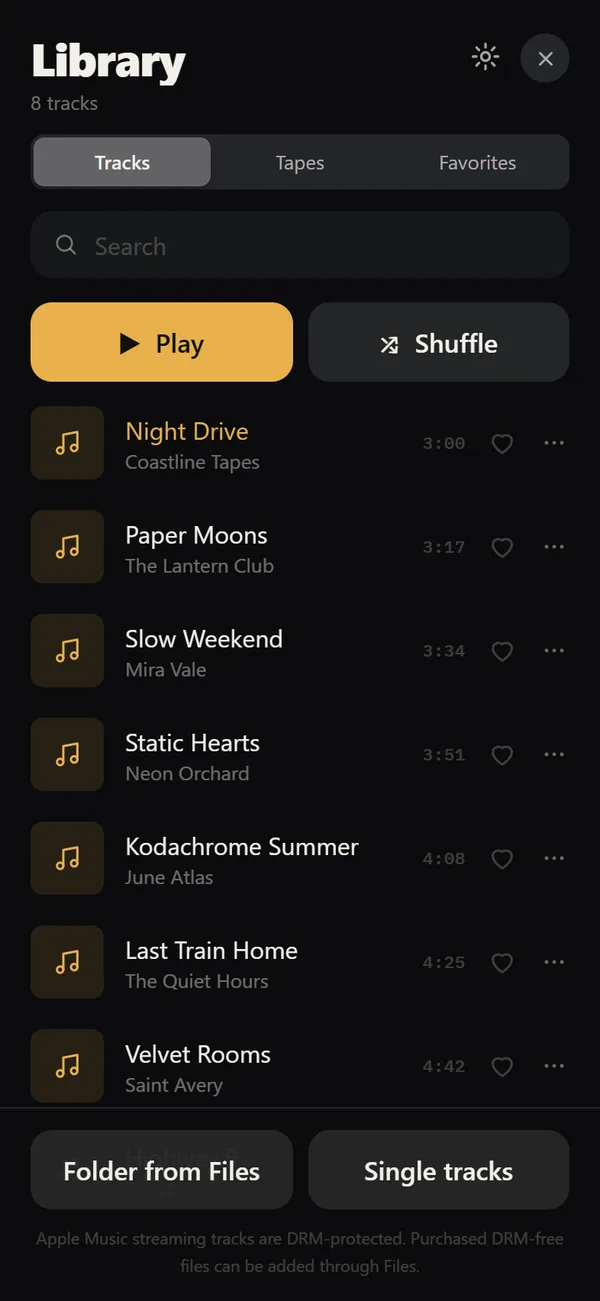
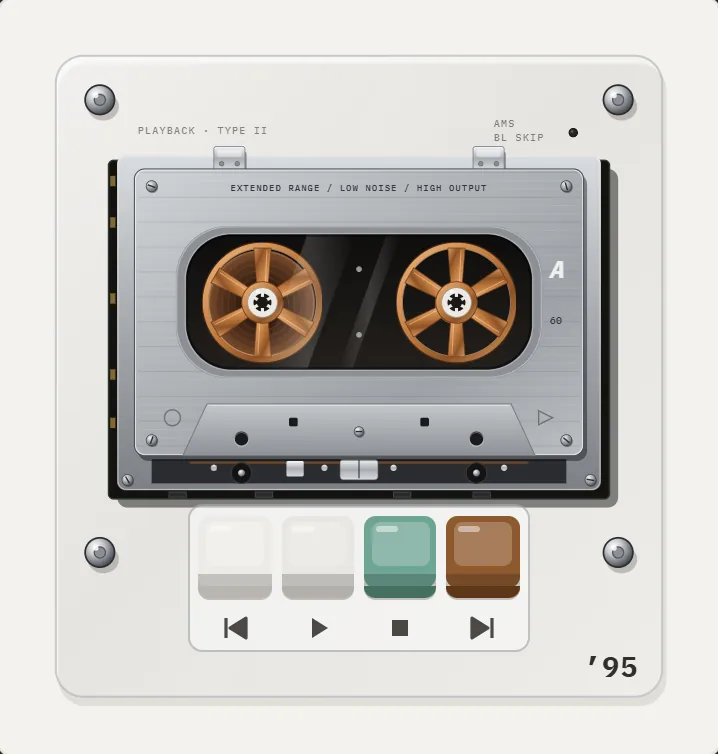
REWIND imports from the Files app, either a whole folder or single tracks, and copies them into the app. It reads tags and cover art, works fully offline, and shows the music on drawn retro machines, from pocket cassette players to CD and MP3 players. If you are starting from zero, how to add music files to iPhone lists the steps, and the music library feature explains search, favorites and mixtapes. See also the guide to DRM-protected music.
Frequently asked questions
Is Bandcamp DRM-free?
Yes. Bandcamp lets you download purchases as ordinary files in formats such as MP3, FLAC, ALAC, AAC, WAV and AIFF, which you can play in any compatible app.
Are iTunes Store songs DRM-free?
Songs sold today are. Apple announced in January 2009 that all iTunes music would be DRM-free at 256 kbit/s, but older purchases may still be protected.
Can I import Apple Music or Spotify downloads into another player?
No. Downloads from streaming services are DRM-protected and tied to the service. Only plain files you have bought or ripped can be imported into REWIND.
What is the best format for buying music?
FLAC or ALAC preserve CD quality at roughly half the size of the raw audio. MP3 at 320 kbit/s or AAC at 256 kbit/s work well when space is tight.
Does REWIND sell music?
No. REWIND is a player for the audio files you already own. It has no store and no streaming, and your files stay on the iPhone.
Keep exploring
DRM-Protected MusicWhy streaming downloads cannot be imported, and which DRM-free sources work.Apple Music Songs Won't Import? Why and What to DoWhy Apple Music downloads cannot be imported, a troubleshooting checklist, supported formats and legal ways to get files you can use.How to Add Music Files to iPhone Without iTunesFour ways to get MP3, FLAC and M4A files onto an iPhone, and how to import a whole folder into a player.Offline Music Library for iPhoneImport folders or tracks from Files. Tags, cover art, search, favorites, shuffle and repeat. Offline.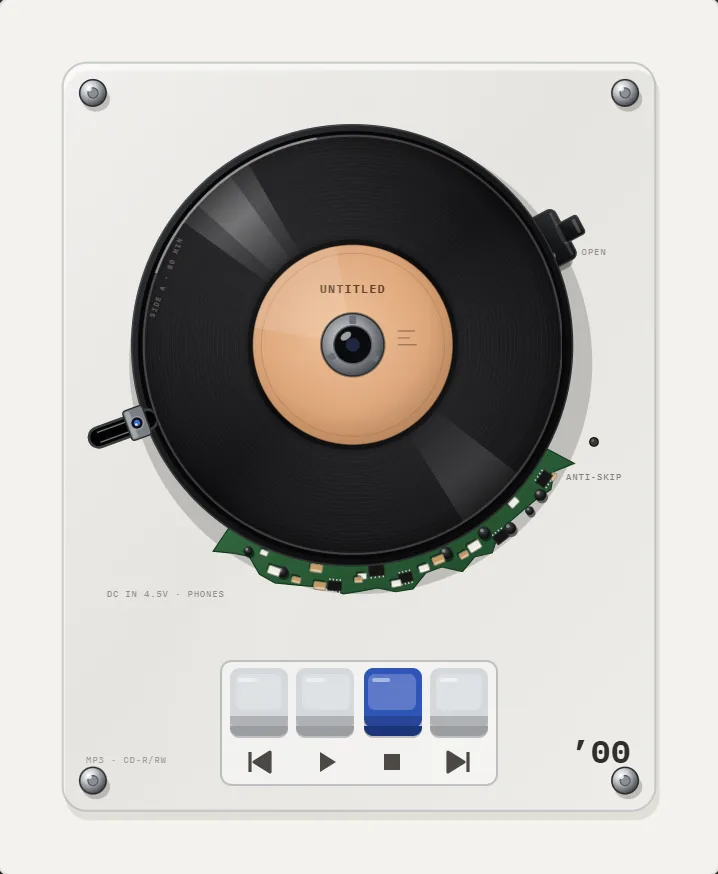 FLAC on iPhoneFree lossless audio. Sizes, loading FLAC on iPhone, and what REWIND does and does not promise.
 Offline Music Player for iPhone, No AccountNo network, no account, no ads, no tracking. Your files stay on the iPhone.